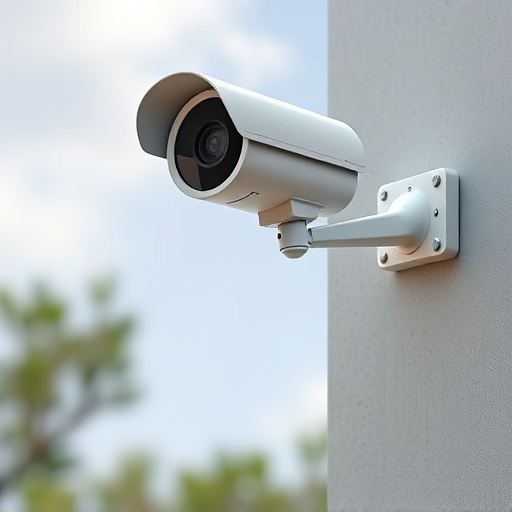
While dummy security cameras with fake infrared sensors may appear to deter crime by mimicking real surveillance equipment, they have significant drawbacks. These include poor image quality, lack of advanced features, and ease of deception by determined criminals. Case studies show mixed results, with some urban areas reporting reduced incidents but others experiencing criminal adaptations. True security cameras with motion detection, high-resolution video, and cloud storage offer superior protection and evidence capture, while smart home security systems provide more comprehensive solutions. Thus, dummy cameras are ineffective as standalone deterrents for crime prevention; professional security measures prove more effective in addressing genuine safety concerns.
“Uncover the truth behind fake camera infrared sensor LEDs—a popular yet controversial security measure. This article explores the inner workings and limitations of these devices, shedding light on their effectiveness in crime deterrence. We delve into the misconception that dummy security cameras can offer robust protection, comparing expectations with reality. Through case studies, we uncover both successful applications and failures, ultimately presenting alternative solutions for enhanced home and business security, going beyond the use of fake cameras.”
- Understanding Fake Camera Infrared Sensor LEDs: How They Work and Their Limitations
- The Role of Dummy Security Cameras in Crime Deterrence: Expectations vs Reality
- Case Studies: Success Stories and Failures Involving Fake Security Cameras
- Alternative Solutions for Enhancing Home and Business Security Without Fake Cameras
Understanding Fake Camera Infrared Sensor LEDs: How They Work and Their Limitations
Understanding Fake Camera Infrared Sensor LEDs: Their Mechanism and Shortcomings
Dummy security cameras, often equipped with fake infrared (IR) sensor LEDs, mimic real surveillance equipment to deter potential criminals. These LED lights are designed to appear as active camera components when viewed from outside, luring intruders into a false sense of security. They operate on a simple principle: IR sensors detect heat signatures, allowing the camera to capture low-light or night-time images. The LEDs emit an infrared glow that mimics this sensor activity, making it seem like the camera is fully functional.
However, there are limitations to this technology. Fake IR LEDs do not provide genuine security features; they cannot capture clear, detailed images and lack the advanced capabilities of real cameras. Moreover, these devices often fall short in terms of deterrence, as determined criminals may quickly realize the deception. While they might momentarily pause before attempting an action, the absence of actual camera footage and real-time monitoring makes them ineffective in preventing or solving crimes.
The Role of Dummy Security Cameras in Crime Deterrence: Expectations vs Reality
Dummy security cameras, often referred to as fake or dummy infrared sensors, play a significant role in crime deterrence strategies. While their presence can create an illusion of enhanced security, the effectiveness of these devices in preventing actual criminal activities is a topic of interest and debate. Many homeowners and business owners install dummy cameras as a cost-effective way to deter potential thieves and intruders, hoping that the mere sight of surveillance equipment will act as a psychological barrier.
However, when it comes to crime prevention, expectations often outweigh reality. Studies suggest that dummy security cameras alone may not significantly reduce criminal behavior. Criminals are well aware of their limitations and can quickly identify genuine vs. fake sensors. The deterrent effect is often short-lived, especially in areas with high crime rates or where offenders have access to advanced technology. Therefore, while dummy cameras can be a part of an overall security strategy, relying solely on them may not meet the expectations they create regarding safety and security.
Case Studies: Success Stories and Failures Involving Fake Security Cameras
Case studies on dummy security cameras offer a mixed bag of success stories and failures, reflecting the complex relationship between visual deterrents and actual crime rates. In many urban areas, installations of fake infrared LED security cameras have been met with positive outcomes. Businesses and residential communities have reported decreased incidents of vandalism, theft, and other criminal activities in areas where these dummy cameras were strategically placed. The visual presence of surveillance equipment, even if not operational, seems to act as a psychological deterrent, encouraging potential perpetrators to choose easier targets.
However, some studies also highlight the limitations and potential pitfalls of relying solely on fake security cameras. In certain cases, criminals have been observed to adapt quickly to the simulated security setup, often damaging or removing the dummy cameras to commit crimes unimpeded. Moreover, the mere presence of fake cameras may sometimes lead to false senses of security among residents, potentially lulling them into a belief that their area is safer than it actually is. These failures underscore the importance of integrating dummy cameras as part of a comprehensive security strategy alongside other physical and procedural measures to achieve meaningful crime prevention.
Alternative Solutions for Enhancing Home and Business Security Without Fake Cameras
While fake camera infrared sensor LEDs may offer a cheap solution for home and business security, they aren’t always effective deterrents for crime. True security cameras with advanced features like motion detection, high-resolution video, and cloud storage provide more robust protection. These systems not only capture evidence but also allow remote monitoring and quick response times to potential threats.
There are numerous alternative security solutions available that don’t rely on dummy cameras: from smart home security systems with integrated sensors and alarms to professional monitoring services. These options offer reliable, comprehensive security without the need for costly and sometimes ineffective fake camera setups.
While the allure of fake camera infrared sensor LEDs as a crime deterrent is appealing, their effectiveness remains questionable. While they can create a sense of security, case studies show mixed results in terms of actual crime prevention. Ultimately, the success of dummy cameras hinges on understanding their limitations and considering alternative solutions like improved lighting, landscaping, and genuine security systems for comprehensive home and business protection. In terms of do dummy security cameras deter crime, the evidence suggests that they may only offer a superficial solution, and investing in robust security measures is a more reliable approach to ensuring safety.