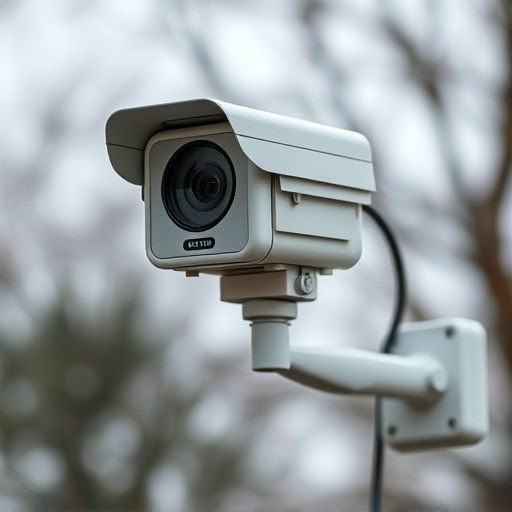
Dummy security cameras, though without electronic functionality, effectively deter crime by mimicking real surveillance equipment and creating a perception of heightened security. Strategically placed in open areas, these decoys maximize their impact by framing valuable assets or entry points, discouraging potential criminals who believe they're under close watch. Grouped with real cameras and security measures, dummy cameras reinforce the message of comprehensive monitoring, making them an essential tool in crime prevention strategies and significantly reducing criminal activity.
“Discover the power of deterrence with dummy security cameras—an innovative, electronics-free solution for enhancing your property’s safety. This article explores the concept, benefits, and strategic placement techniques of these realistic yet non-functional camera housings.
Learn how dummy cameras can significantly reduce crime rates without the need for complex technology. We’ll break down their advantages, from visual deterrence to cost-effectiveness, and guide you through choosing the right types and placements to maximize their efficacy in crime prevention.”
- Understanding the Concept of Dummy Security Cameras
- Benefits and Efficacy in Crime Deterrence
- Types and Placement Strategies for Optimal Effectiveness
Understanding the Concept of Dummy Security Cameras
Dummy security cameras, also known as fake or decoy cameras, are an innovative deterrent solution that has gained popularity in recent years. These devices are designed to look like real security cameras but lack the electronic components necessary for actual surveillance. Their primary purpose is to mislead potential criminals by creating the perception of enhanced security measures.
The concept behind dummy cameras is simple yet powerful: by strategically placing these realistic-looking mockups, businesses and property owners can significantly reduce the likelihood of criminal activity. Criminals often target areas where they perceive a lack of surveillance. With dummy cameras in place, it becomes unclear whether or not a location is actively monitored, making it less appealing for illegal activities. This strategy can effectively deter crime as would-be perpetrators may choose to avoid such sites, thus promoting safer environments.
Benefits and Efficacy in Crime Deterrence
Dummy security cameras, while lacking electronic components, offer significant benefits in crime deterrence. Their primary advantage lies in the psychological impact they have on potential criminals. The mere presence of surveillance equipment, even if inactive, can serve as a powerful deterrent, discouraging unethical behavior and creating an impression of heightened security. This is particularly effective in public spaces, businesses, and residential areas where visibility and the fear of being watched can substantially reduce criminal activity.
These static camera housings are also cost-effective solutions for property owners and organizations looking to enhance their safety measures. By deploying dummy cameras, real resources can be redirected towards other critical security infrastructure or strategies. Furthermore, their realistic designs, which often mimic actual surveillance equipment, make them an excellent alternative to active systems, providing a visual cue of protection without the associated costs and technical complexities. This blend of psychological and practical advantages underscores the efficacy of dummy security cameras in crime deterrence.
Types and Placement Strategies for Optimal Effectiveness
Dummy security cameras, often marketed as decoys or mock-ups, are an innovative way to enhance security without employing active electronics. These physical structures mimic real surveillance equipment, strategically placed to deter potential criminals. Their effectiveness lies in creating the illusion of a comprehensive security system, even if they don’t record or transmit data.
When considering placement, visibility is key. Dummy cameras should be positioned in open areas where they can clearly frame high-value assets or entry points. This could include main entrances, windows, or outdoor lighting fixtures. Mounting them at eye level or slightly elevated angles maximizes their impact, as criminals often prefer unseen targets. Additionally, grouping these decoys with real cameras or other security measures reinforces the message that any attempt to intrude will be closely monitored, making them an essential tool in crime prevention strategies.
Dummy security cameras, or those without electronics, prove to be an effective deterrent for potential criminals. By strategically placing these visual decoys in high-risk areas, businesses and homeowners can significantly reduce the likelihood of crime. Their passive presence sends a powerful message that surveillance is ongoing, acting as a psychological barrier against illegal activities. While not a panacea, dummy cameras offer a cost-efficient and aesthetically pleasing alternative to enhance security without complex electronics.