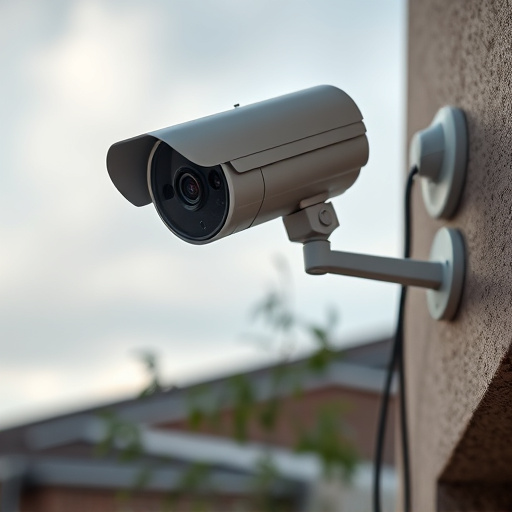
Dummy security cameras deter crime by enhancing perceived surveillance, reducing potential criminals' willingness to act. Strategically placed, they create a psychological deterrent, encouraging adherence to rules and fostering community vigilance. However, their deployment must balance surveillance benefits with ethical considerations and privacy laws.
Fake security cameras, or dummy cameras, play a surprising yet significant role in crime deterrence. While their physical presence alone can intimidate potential criminals, strategic placement is key to maximizing their effectiveness. This article explores how understanding the role of dummy cameras in crime prevention guides optimal placement for comprehensive visual coverage. We delve into the psychological impact and ethical considerations surrounding their use, ultimately asking: do dummy security cameras truly deter crime?
- Understanding Dummy Cameras' Role in Crime Deterrence
- Strategic Placement for Optimal Visual Coverage
- Benefits Beyond Intimidation: Psychological Impact
- Balancing Act: Ethical Considerations and Legal Limits
Understanding Dummy Cameras' Role in Crime Deterrence
Dummy security cameras, also known as fake or mock surveillance devices, play a significant role in crime deterrence strategies. While they do not capture actual footage, their mere presence can act as a powerful psychological deterrent to potential criminals. The strategy behind using dummy cameras is to create the illusion of heightened security, thereby discouraging illegal activities.
In many cases, real and well-placed security cameras are essential for effective surveillance, but dummy cameras serve as an additional layer of protection. They are particularly useful in areas where full-time monitoring is not feasible or cost-effective. By strategically positioning fake cameras, businesses and homeowners can send a clear message to would-be intruders, making them think twice before attempting any criminal acts. This psychological impact can significantly reduce crime rates in certain neighborhoods or commercial districts.
Strategic Placement for Optimal Visual Coverage
Strategic placement of security cameras is key to achieving optimal visual coverage, enhancing security, and even deterring potential criminals. Dummy or fake security cameras are an effective tool in this strategy. Their strategic positioning sends a clear message that surveillance is ongoing, even if they don’t record footage. This psychological factor can significantly impact criminal behavior, making areas feel safer and potentially discouraging unauthorized activities.
By mimicking real camera locations, dummy cameras create the illusion of comprehensive monitoring. This visual deception encourages individuals to adhere to established rules and guidelines, knowing they are being watched. Additionally, the strategic placement ensures that high-risk areas, such as entrances, exits, and vulnerable points, receive ample coverage. Such tactical positioning reinforces the overall security posture, making it harder for criminals to exploit weaknesses.
Benefits Beyond Intimidation: Psychological Impact
Dummy security cameras, strategically placed, offer more than just a visual deterrent to potential criminals. Their presence can significantly impact the psychological landscape of a high-crime area or even an ordinary neighborhood. The mere sight of these fake devices can instill a sense of unease and caution in would-be offenders, making them think twice before committing an act. This mental blockade is a powerful tool in crime prevention, as it disrupts the impulse to engage in illegal activities.
Beyond intimidation, dummy cameras create an atmosphere of heightened awareness, encouraging citizens to be more vigilant. This collective sense of security can foster a community spirit where neighbors look out for each other. The psychological effect also extends to offenders, who may feel a greater sense of accountability, knowing that even their anonymous actions are under surveillance, potentially deterring them from targeting areas with visible fake cameras.
Balancing Act: Ethical Considerations and Legal Limits
While dummy security cameras can be an effective visual deterrent for potential criminals, it’s a balancing act to ensure their ethical and legal deployment. The placement of these fake cameras must adhere to privacy laws and regulations, respecting individuals’ rights to confidentiality. Using them strategically in public spaces is key; visible but not overly intrusive, they should serve as a subtle reminder of surveillance without causing unnecessary alarm or infringing on personal freedoms.
The question of whether dummy security cameras deter crime is nuanced. Research suggests that their presence can discourage criminal activity by creating an illusion of enhanced security and monitoring. However, their effectiveness hinges on more than just visual impact; physical security measures and genuine surveillance still play a primary role in crime prevention. Thus, these fake cameras should be viewed as a supplementary tool within a comprehensive security strategy, rather than a sole solution to deterring criminal behavior.
While dummy security cameras may not capture real-time footage, their strategic placement can significantly deter criminal activity. By simulating active surveillance, these faux cameras create an environment where potential offenders are more likely to think twice before committing a crime. The psychological impact of seeing apparent eyes watching from every corner can act as a powerful deterrent, making them a valuable tool in crime prevention strategies. However, it’s crucial to balance this with ethical considerations and legal limits, ensuring that the use of dummy cameras respects privacy rights and complies with relevant regulations. When used thoughtfully, dummy security cameras can be an effective component in creating safer communities.