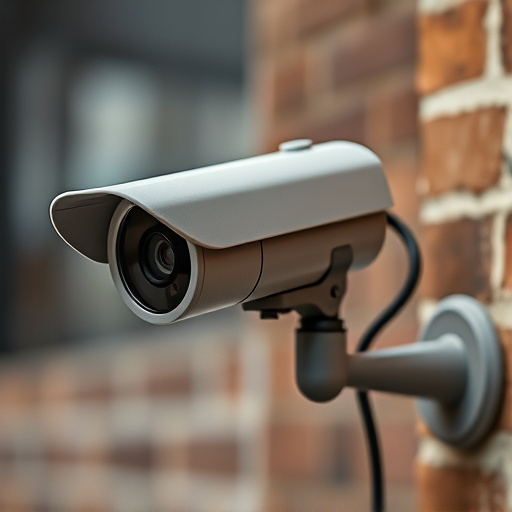
Dummy security cameras, though lacking real-time monitoring, act as powerful psychological deterrents against crime. Their realistic appearance can significantly reduce criminal activity, especially less experienced offenders, when strategically placed and combined with proper lighting. However, their effectiveness diminishes among familiar criminals. As a cost-efficient solution, dummy cameras enhance security without the expenses of comprehensive systems. Yet, their use raises legal and ethical concerns regarding privacy rights and community trust, and deployment must adhere to local laws and guidelines. Combining dummy cameras with real security measures creates an integrated system that maximises deterrence and protection while respecting privacy.
“Uncover the power and pitfalls of dummy security monitoring devices in this comprehensive guide. We explore how these seemingly innocuous cameras, often mistaken for real surveillance equipment, can either deter crime or become a false sense of security. From understanding their role and limitations to navigating legal and ethical boundaries, this article delves into effective strategies that blend real and dummy security measures. Discover the psychological impact on potential criminals and learn how to harness these devices as part of a robust home or business security plan.”
- Understanding Dummy Security Cameras: Their Role and Limitations
- Deterring Crime: The Psychological Impact of Fake Surveillance
- Legal and Ethical Considerations in Using Dummy Devices
- Effective Strategies for Combining Real and Dummy Security Measures
Understanding Dummy Security Cameras: Their Role and Limitations
Dummy security cameras, often referred to as fake or decoy cameras, play a significant role in home and business security. While they don’t possess any real surveillance capabilities, their presence can deter potential criminals from targeting properties. These cameras mimic the appearance of genuine security equipment, providing a visual deterrent without the associated costs and complexities of a full monitoring system.
However, there are limitations to their effectiveness. Criminals who are familiar with security tactics may quickly realize the difference between real and dummy cameras. Moreover, these cameras don’t record or transmit any footage, so they offer no evidence in case of an actual crime. Nevertheless, for properties that primarily seek a psychological deterrent, dummy security cameras can be a cost-efficient solution to make would-be intruders think twice before attempting any malicious activity.
Deterring Crime: The Psychological Impact of Fake Surveillance
The mere presence of security cameras is often enough to deter potential criminals, even if they’re dummy or fake. Psychologically, the visibility of surveillance suggests that any illegal activity will be observed and potentially punished, creating a sense of caution among would-be offenders. This psychological impact can significantly reduce crime rates in residential areas, businesses, and public spaces.
Dummy security cameras, strategically placed, can create an atmosphere of heightened security without the actual cost and logistical constraints of installing active surveillance systems. Their realistic appearance alone can serve as a powerful deterrent, as criminals are often driven by the fear of being caught on camera.
Legal and Ethical Considerations in Using Dummy Devices
Using dummy security monitoring devices, such as fake cameras, raises important legal and ethical questions. While they may seem like an inexpensive solution to enhance security and deter potential criminals, their deployment can blur the lines between reality and deception. It’s crucial to understand that even dummy devices can contribute to a perception of enhanced surveillance, which might impact privacy rights and community dynamics.
In many jurisdictions, there are strict laws governing the use of surveillance technology, including what is considered reasonable and legal observation. Installing fake security cameras without proper authorization or disclosure could lead to legal consequences. Additionally, from an ethical standpoint, using deception as a security measure may erode trust within a community, as it raises concerns about transparency and integrity in neighborhood watch initiatives. Therefore, individuals considering this option should carefully evaluate the potential impact on their community and comply with local laws and ethical guidelines regarding surveillance technology, especially when it comes to deterring crime effectively while respecting privacy rights.
Effective Strategies for Combining Real and Dummy Security Measures
Combining real and dummy security measures can create a robust and effective surveillance system, leaving potential criminals questioning their next move. Dummy security cameras, when strategically placed, can serve as a powerful deterrent. Their realistic appearance and movement can mislead intruders, making them think they’re being watched by actual security personnel. This psychological impact is significant; many criminals are deterred from targeting areas with visible fake cameras.
While dummy cameras provide a visual barrier, real security measures like motion sensors, alarm systems, and professional monitoring services should complement this setup. Together, these technologies create layers of protection, ensuring that even if an intruder manages to bypass the dummy cameras, they’ll still face robust security protocols. This integration offers comprehensive coverage, maximizing the potential to deter and capture unauthorized individuals.
While dummy security monitoring devices offer psychological benefits in deterring crime, their effectiveness relies on a balanced approach. Combining these fake cameras with real security measures creates a more robust defense. It’s crucial to consider legal and ethical boundaries, ensuring that the use of dummy devices remains within permissible limits. Ultimately, understanding both the strengths and limitations of these tools is essential for creating a safe environment in today’s digital era, where do dummy security cameras deter crime depends on strategic implementation.